HBS classrooms ban laptops and phones. Kenneth Schlenker on focus, AI and why students need an AI driver's license.
October 28, 2026
Originally posted by Kenneth Schlenker on LinkedIn.
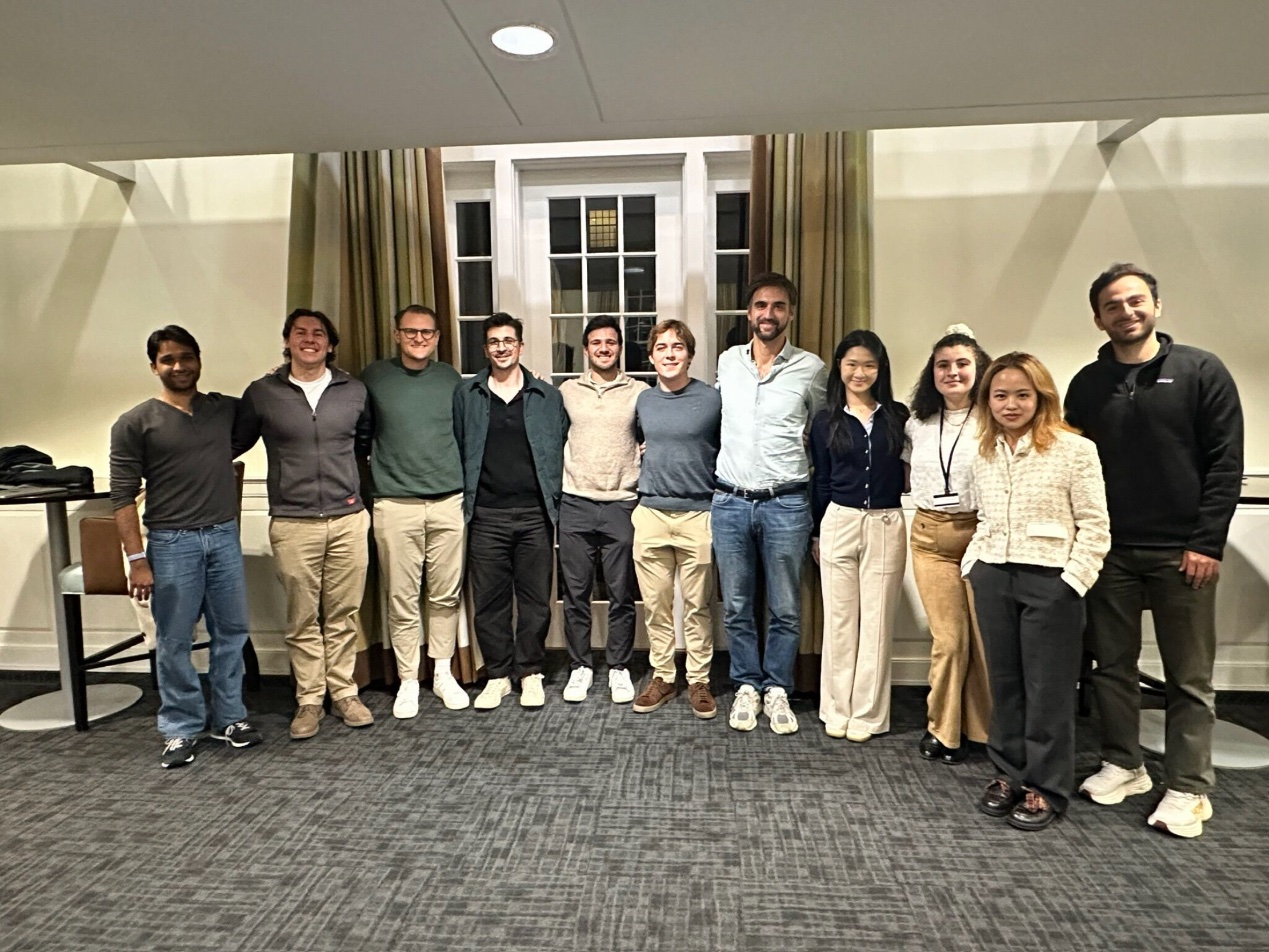
Last week I spoke at Harvard Business School and learned that their classrooms are device-free. No laptops/ phones/ computers.
These are adults preparing to become the next generation of business leaders in a world increasingly shaped by AI. They told me they love learning this way. Some told me the first weeks at HBS felt like "a detox" to get their attention back.
I was there for an HBS Education Club conversation with students from HBS and the Harvard Graduate School of Education about technology, attention, and the future of learning.
It left me thinking: if future business leaders value learning without devices, what does that tell us about how we should approach technology in schools?
We're entering a world where AI can do more and more of the work for us. That changes what education needs to teach.
Knowing how to do something may matter less than knowing what's worth doing.
Critical thinking, judgment, curiosity, and the ability to focus will become increasingly important.
We need to help students develop these skills while teaching them how to use AI intelligently. Sometimes that means exploring ideas with AI. Other times it means struggling with a problem, debating, and engaging with each other without digital distractions.
I keep coming back to the idea of an AI driver's license.
You teach a child to ride a bike with training wheels. You teach them the rules, help them practice, and gradually give them more independence.
I think we should approach AI the same way: education, boundaries, and increasing autonomy.
As AI becomes more capable, knowing when to use it will be just as important as knowing when to put it away.
I left Harvard feeling very optimistic. The students I met were genuinely excited about what AI can do, and they were asking some of the most important questions about its role in education.
At what age should we introduce it? How do we teach kids to use it responsibly? And how do we gradually give them more independence?
I think these are exactly the questions we should be asking as AI becomes part of everyday life.
Thank you Amber Bellou and Andrew Hufford for the invitation!